
Apps for Gentle Support During Mourning
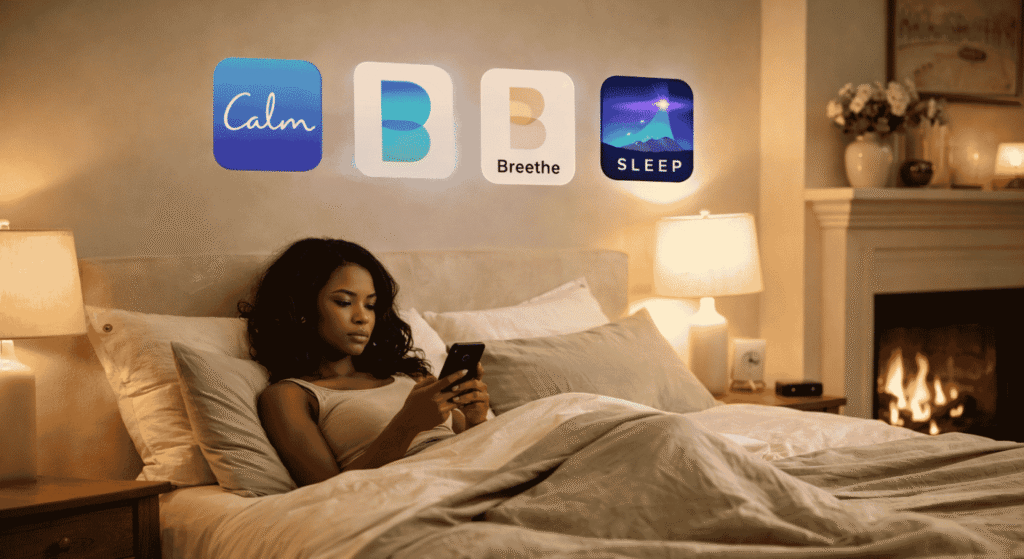
Gentle support for the moments when your mind will not slow down
Grief has a way of making your mind race. Your body may be tired, but your thoughts keep moving. One moment you are trying to rest, and the next you are replaying memories, worrying, or simply feeling the heaviness of loss. In those moments, having something gentle to reach for matters.
Supportive apps can help create small pockets of peace throughout the day and night. They can calm your nervous system, help you sleep, give your mind something safe to focus on, and remind you that caring for yourself is still important while you mourn. They do not replace prayer, healing, or real support, but they can become helpful companions during difficult moments.
I honestly reach for all of them—just on different days for different reasons. Being able to track your sleep is a form of self-care that people often neglect. Sometimes, though, I miss being a child being told stories by my Parents, and sleep stories help fill that void. And of all of them, Blinkist is the one I often wake up to, because it helps me program my mind with supportive encouragement and insight for the day or week ahead.
Why these apps can help during mourning
When you are grieving, even simple things can become difficult. Sleep may feel broken. Your thoughts may feel louder. Your emotions may shift quickly. Gentle tools like these can help you slow down, breathe deeper, and regain a small sense of rhythm.
On some days, that may look like tracking your rest so you can pay better attention to your body. On other days, it may mean listening to a comforting voice, a sleep story, a meditation, or encouraging words that help settle your spirit. Mourning changes your needs from day to day. That is why it helps to have options.
Sleep.com
For understanding your rest and rebuilding healthy sleep habits
When grief disrupts your sleep, it can be hard to tell what your body really needs. Sleep.com can help you pay closer attention to your sleep habits and begin making gentle adjustments that support better rest. During mourning, that kind of awareness is a form of self-care.
Why it helps:
Sleep affects everything—your emotions, your energy, your patience, and your ability to think clearly. Tracking your sleep can help you notice patterns and take your rest seriously.
Audible
For comforting stories, soothing voices, and gentle distraction
Sometimes silence feels too loud. Audible can be a beautiful tool when you need your mind to rest on something safe. Whether it is an audiobook, a devotional, or a calm voice at the end of the day, listening can bring comfort when your heart is heavy.
Why it helps:
There are moments in mourning when being read to feels deeply comforting. Sometimes it can soften the ache of missing the care, warmth, and safety you once felt.
Calm
For quieting anxious thoughts and creating moments of peace
Calm offers guided meditations, breathing exercises, and sleep stories that can help settle your mind when it feels restless. It is especially helpful on the days when your emotions feel scattered and you need help slowing down.
Why it helps:
When your mind is racing, structure matters. Calm gives you something simple and soothing to follow when your thoughts feel too loud.
Balance
For personalized meditation and emotional grounding
Balance offers a more tailored meditation experience, which can be especially useful during mourning because grief is never one-size-fits-all. Some days you need calm. Some days you need focus. Some days you just need help breathing through the next few minutes.
Why it helps:
It meets you where you are, which is exactly what people need while grieving.
ShutEye
For sleep support, soundscapes, and nighttime comfort
ShutEye combines sleep tools with soothing sounds and bedtime support. If nights are especially hard for you, this app can help create a more restful environment and offer support when sleep feels far away.
Why it helps:
Grief often gets louder at night. ShutEye can make bedtime feel less lonely and less overwhelming.
Sleep Tracker
For making sleep a real form of self-care
Sleep tracking may not sound emotional, but it matters. During mourning, people often neglect their sleep and then wonder why everything feels even harder. Paying attention to your rest is not selfish. It is responsible. It is care.
Why it helps:
Tracking your sleep helps you see what your body may be trying to tell you. Rest is not a luxury during grief. It is part of surviving it.
Blinkist
For encouragement, insight, and resetting your mind
Blinkist is one of the most powerful tools for starting your day with intention. When your thoughts are heavy, feeding your mind something supportive can shift the direction of your day. Short insights can be easier to absorb than full books when your concentration is low.
Why it helps:
This is a beautiful app for waking up and filling your mind with encouragement, wisdom, and perspective for the day or week ahead.

A gentle reminder
You do not need to use every tool every day. The goal is not to do grief perfectly. The goal is to care for yourself honestly.
On some days, you may need sleep stories. On others, you may need meditation, encouraging words, or a simple reminder to pay attention to your body. Reaching for support is not weakness. It is wisdom.
Let these tools serve you gently as you move through mourning one day at a time.